Inspiring Seniors to Embrace Physical Activity Through Evidence-Based Exercise Guidelines
Wiki Article
Keeping active is essential for adults of all ages, but it becomes especially vital as individuals age. For seniors, routine physical activity assists in preserving independence, improves mobility, and enhances general health. Detailed exercise guidelines deliver seniors with systematic methods to wellness that cover coordination, flexibility, muscle endurance, and endurance. By implementing well-designed fitness programs, older participants can enhance their well-being while reducing the likelihood of falls, health conditions, and mental health challenges.
Staying fit for older adults is not confined to intense routines or heavy fitness sessions. It centers instead on moderate, steady, and maintainable activity that fits individual fitness conditions. Activities such as brisk walking, stretching, gentle yoga, and strength conditioning help preserving joint flexibility and strength. Cardiovascular exercises like aqua aerobics or stationary cycling boost heart health, which are vital for maintaining physical endurance and stamina. These types of exercise also enhance brain health, as studies have indicated that routine fitness can enhance mental clarity, mood, and mental performance.
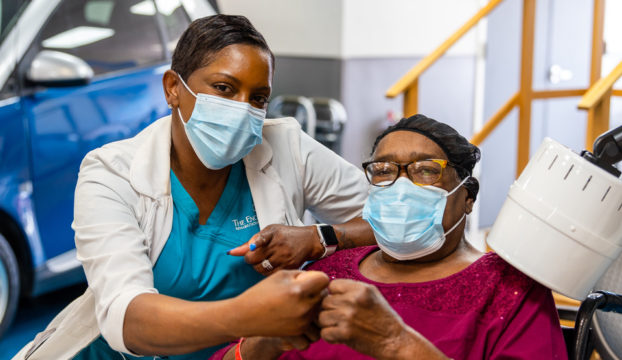
Comprehensive exercise guidelines prioritize a balanced approach to health, integrating physical, emotional, and social dimensions of health. Older adults are encouraged to start gradually and advance at a steady rate, ensuring safety while preventing fatigue. Incorporating pre- and post-exercise stretches prevents strain, while appropriate water consumption and nutrition support exercise routines. Additionally, community-based programs—such as group fitness classes or organized group walks—create avenues myofascial release approaches for peer support, motivation, and emotional support, which are just as vital to total wellness.
Qualified instruction plays a key function in supporting seniors develop customized fitness programs. Working with physicians, physical therapists, or certified fitness trainers guarantees that plans are aligned to personal requirements, fitness levels, and objectives. These professionals can suggest appropriate exercise formats that address issues such as arthritis, bone fragility, or aerobic restrictions. Through regular monitoring and revision, training programs remain effective and enjoyable, supporting long-term participation discover this info here and success.
Ultimately, empowering elders to participate in wellness through structured fitness frameworks builds a community of lifelong movement. When older adults are equipped with knowledge, motivation, and organized systems, they gain confidence in their physical abilities and enjoy greater independence. Regular exercise enhances not only physical strength but also mental clarity and emotional resilience. By prioritizing inclusive, expert-led training systems, organizations can enable that all participants has the chance to lead a active, vibrant, and rewarding journey.